
English below
Desde Laboratorio de Paz presentamos la Hoja de Ruta CIDH para la Reconstrucción Democrática e Institucional de Venezuela, un informe que sistematiza, organiza y traduce en orientaciones estratégicas más de una década de recomendaciones de la Comisión Interamericana de Derechos Humanos (CIDH) sobre el caso venezolano.
Este documento no es un programa de gobierno ni una propuesta partidista. Es una herramienta de análisis, incidencia y diseño democrático, construida desde la sociedad civil y anclada en los estándares del Sistema Interamericano de Derechos Humanos. Su objetivo es ofrecer un marco verificable y operativo para pensar una transición democrática que no se limite al relevo político, sino que apunte a una reconstrucción institucional profunda, con los derechos humanos en el centro.
La Hoja de Ruta recoge y organiza 591 recomendaciones emitidas por la CIDH entre 2014 y 2024, agrupadas en siete ejes estratégicos: institucionalidad democrática, justicia, derechos políticos, seguridad ciudadana, libertad de expresión, derechos sociales y protección diferenciada de grupos en situación de vulnerabilidad CIDH_def. A partir de ese corpus, propone además una jerarquización y calendarización de reformas para los primeros 100 días, el primer año y el primer ciclo institucional de una eventual transición.
Este es el tercer documento de una trilogía técnica elaborada por Laboratorio de Paz —junto a los basados en la Misión Internacional Independiente de Determinación de Hechos de la ONU y en los informes del ACNUDH— orientada a dotar a actores nacionales e internacionales de marcos claros, coherentes y exigibles para la reconstrucción democrática de Venezuela.
Invitamos a organizaciones de la sociedad civil, periodistas, decisores públicos, académicos y personas interesadas en la democratización del país a descargar y consultar este documento, utilizarlo como insumo para el debate público, la incidencia internacional y el diseño de políticas de transición, y apropiarse críticamente de sus contenidos.
Porque sin estándares claros, sin derechos humanos como brújula y sin reconstrucción institucional profunda, no hay transición democrática posible.
Descárgalo aquí:
CIDH Roadmap for the Democratic Reconstruction of Venezuela
A Human Rights–Based Framework for Democratic Transition
This document presents a strategic roadmap for Venezuela’s democratic and institutional reconstruction, based on the recommendations issued by the Inter-American Commission on Human Rights (IACHR/CIDH) between 2014 and 2024. It translates international human rights standards into a practical, sequenced framework for action during a future democratic transition.
Rather than proposing a political program or partisan agenda, the roadmap offers a rights-based architecture for transition, placing human rights, institutional rebuilding, and guarantees of non-repetition at the center of Venezuela’s democratic recovery.
Strategic Approach
The CIDH Roadmap is structured around two core elements:
- Seven Institutional Axes of Reform, covering:
- Democratic institutional integrity and rule of law
- Civilian control over security forces
- Judicial independence and the Public Prosecutor’s Office
- Oversight bodies and the Ombudsperson
- Political freedoms and civic space
- International cooperation and transnational justice
- Economic, social, cultural and environmental rights (DESCA), with differentiated protection for vulnerable groups
- A Phased Implementation Strategy, recognizing that not all reforms can be undertaken simultaneously in a fragile and contested transition.
Phased Actions and Timeline
Phase I – First 100 Days: Breaking with Authoritarianism and Opening Democracy
This initial phase prioritizes urgent, high-impact measures aimed at signaling a clear rupture with authoritarian practices and restoring minimum democratic conditions:
Key actions:
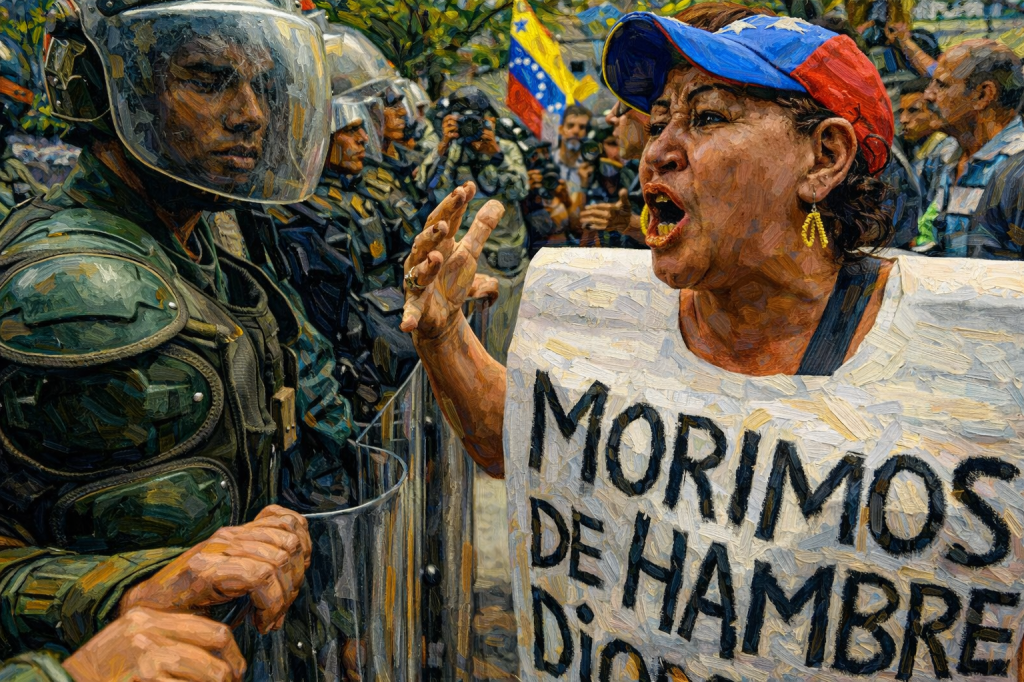
- Immediate cessation of political repression and arbitrary detentions
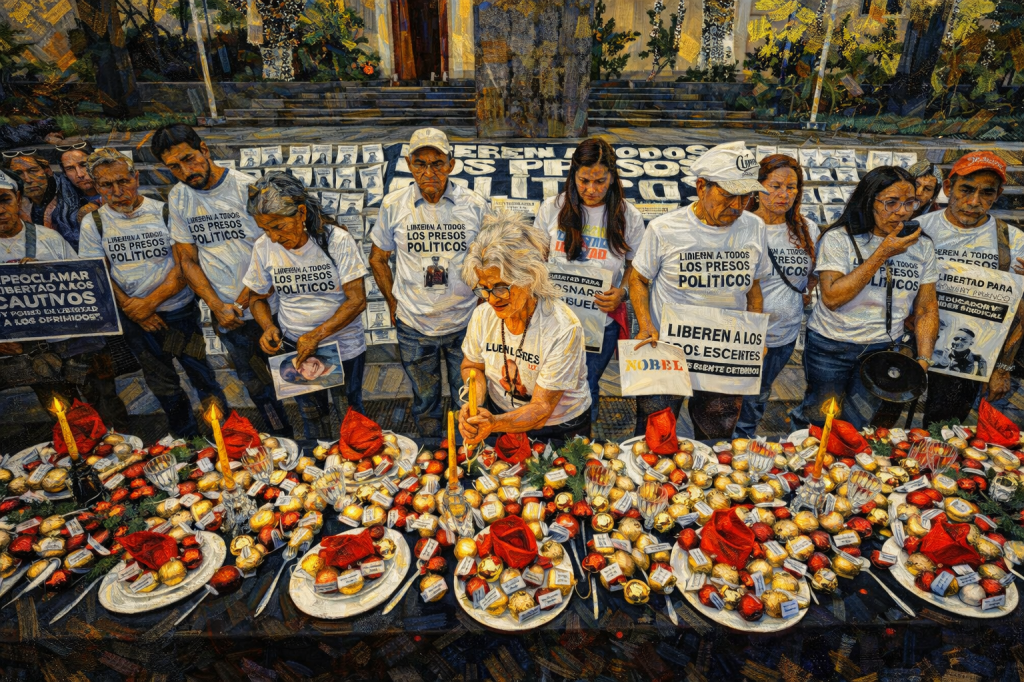
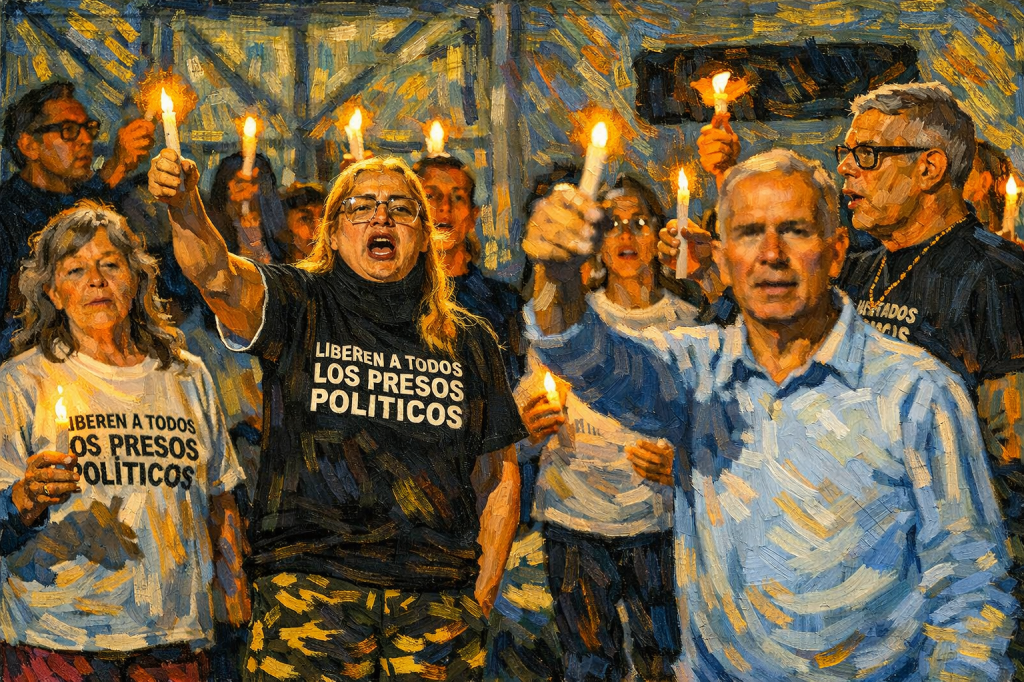
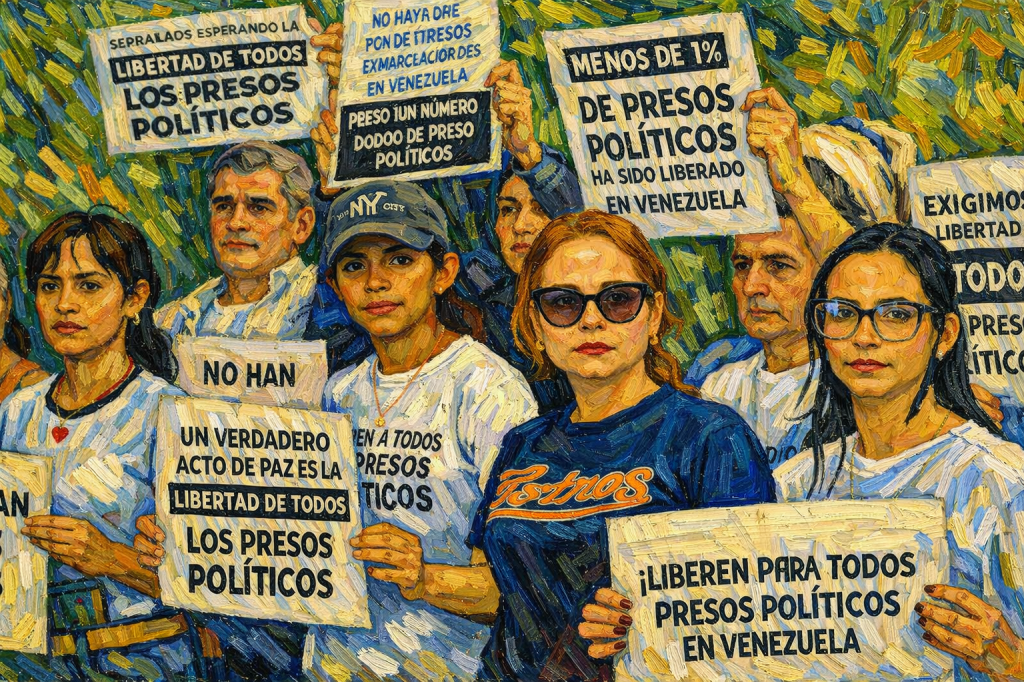
- Release of political prisoners and annulment of politically motivated judicial proceedings
- Restoration of basic civil liberties: freedom of expression, association, peaceful protest and independent civil society activity
- Reinstatement of fundamental judicial guarantees and due process
- Reopening full cooperation with international human rights mechanisms, including the IACHR and UN bodies
Purpose:
To rebuild internal and international trust, halt ongoing violations, and create the minimum institutional conditions for further reform.
Phase II – Short to Medium Term (First 12–24 Months): Institutional Reconstruction
This phase focuses on structurally rebuilding the institutions that were co-opted or dismantled under authoritarian rule.
Key actions:
- Comprehensive reform of the justice system, including guarantees of judicial independence and restructuring of the Public Prosecutor’s Office
- Democratic reconfiguration of security forces under civilian oversight
- Strengthening independent oversight institutions (Ombudsperson, Comptroller, electoral authorities)
- Legal and administrative reforms to guarantee political pluralism and fair electoral conditions
- Establishment of mechanisms for truth, accountability, reparations and guarantees of non-repetition
Purpose:
To move from emergency stabilization to durable institutional recovery and democratic governance.
Phase III – Long Term: Democratic Consolidation and Social Reconstruction
This phase aims to embed democratic governance in society and ensure its sustainability beyond the immediate transition.
Key actions:
- Full implementation of DESCA rights: health, education, food security, labor rights, social protection
- Differentiated public policies for vulnerable groups (migrants, indigenous peoples, LGBTIQ+, persons with disabilities, elderly populations)
- Environmental governance reforms, including protection of the Orinoco Mining Arc and affected communities
- Integration of human rights standards into all public policy planning and budgeting
- Permanent international monitoring and cooperation to prevent regression
Purpose:
To ensure that democracy becomes socially legitimate, materially sustainable, and resilient against authoritarian relapse.
Value of the CIDH Framework
The CIDH Roadmap offers:
- A regionally legitimate normative framework, grounded in the Inter-American Human Rights System
- A bridge between transitional justice and institutional reform, preventing justice from becoming merely retrospective
- A mechanism for international accompaniment, monitoring and non-regression
- A platform for articulating national and international actors around a shared democratic reconstruction agenda
Conclusion
A credible, sustainable and socially legitimate democratic transition in Venezuela is not possible without fully integrating human rights standards into its architecture. The CIDH Roadmap does not merely propose compliance with recommendations—it positions the Inter-American Human Rights System as a constitutive pillar of Venezuela’s future democratic order.


 Laboratorio de Paz