

English below
(Caracas, 19 de noviembre 2025). La organización de derechos humanos Laboratorio de Paz presentó hoy el informe Hoja de Ruta FFM para la Reconstrucción Democrática e Institucional de Venezuela, un documento técnico que sistematiza 142 recomendaciones oficiales formuladas por la Misión Internacional Independiente de Determinación de los Hechos de la ONU (FFM) entre 2020 y 2025, y las traduce en un plan secuencial de reformas para una futura transición democrática en el país.
El informe —basado exclusivamente en fuentes oficiales de Naciones Unidas— constituye la primera sistematización pública que ordena dichas recomendaciones en seis ejes estratégicos: justicia y rendición de cuentas; cuerpos de seguridad y control civil; sistema judicial y Ministerio Público; órganos de control; libertades políticas y espacio cívico; y cooperación internacional.
“Este documento no es un programa de gobierno ni una propuesta partidista. Es una referencia técnica construida desde la sociedad civil para evitar improvisaciones y garantizar que una transición democrática en Venezuela incorpore verdad, justicia y garantías de no repetición desde el primer día”, señaló Laboratorio de Paz.
Hallazgos clave del informe
El documento identifica tres conclusiones centrales derivadas de los informes de la FFM:
a) Existencia de crímenes de lesa humanidad cometidos por cuerpos de inteligencia y seguridad del Estado, incluyendo tortura, desapariciones forzadas, violencia sexual y persecución política sistemática.
b) Patrones estructurales y sostenidos de represión, con uso de nuevas tecnologías para monitoreo intrusivo, detenciones arbitrarias, incomunicación y un aparato de seguridad que opera sin control civil.
c) Colapso institucional, especialmente del sistema de justicia, cuya erosión ha permitido la impunidad y la continuidad de las violaciones.
Estas conclusiones fundamentan la urgencia de una hoja de ruta de reconstrucción institucional alineada con estándares internacionales.
Reformas priorizadas: de los primeros 100 días al primer ciclo institucional
El informe organiza la transición, según las recomendaciones de la FFM, en tres horizontes temporales, con medidas escalonadas:
Primeros 100 días: frenar el daño
- Liberación inmediata de todas las personas detenidas arbitrariamente.
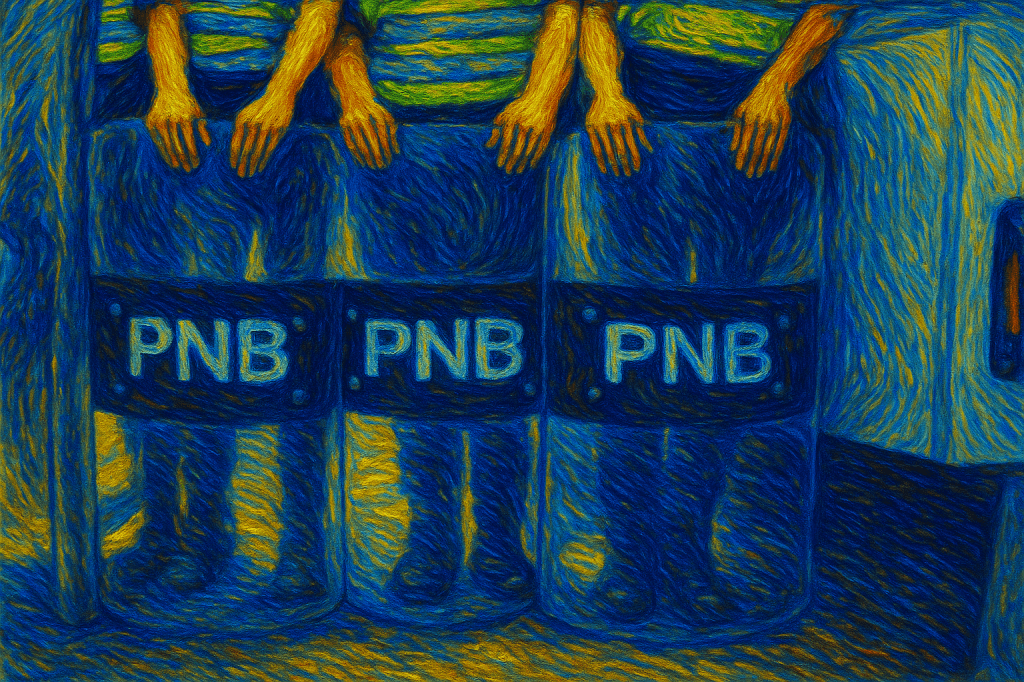
- Suspensión de mandos y agentes investigados de la DAET/PNB y auditorías a SEBIN y DGCIM.
- Acceso irrestricto a todas las instalaciones de detención para ACNUDH, CIDH y mecanismos de la ONU.
- Cese del uso de leyes como la “Ley contra el Odio” para perseguir disidentes.
- Garantías mínimas de independencia judicial y distribución aleatoria de causas.
Primeros pasos normativos urgentes: ratificación de la Convención contra las Desapariciones Forzadas y del Protocolo Facultativo de la Convención contra la Tortura y Otros Tratos o Penas Crueles, Inhumanos o Degradantes.
Primer año: reconstruir capacidades institucionales
- Desmontaje definitivo de la DAET y creación de nueva estructura policial bajo control civil.
- Depuración, profesionalización y trazabilidad operativa (registros y cámaras corporales).
- Reforma profunda del sistema judicial y del Ministerio Público.
- Instalación de una Comisión de la Verdad y una Unidad Especial de Investigación para crímenes graves.
- Reinstalación constitucional de la Asamblea Nacional y fortalecimiento de la Defensoría del Pueblo conforme a los Principios de París.
- Programa nacional de protección a periodistas y defensores.
Años 2–6: Reformas de largo aliento y garantías de no repetición
- Tipificación interna de crímenes de lesa humanidad.
- Nueva Ley Orgánica de Seguridad Ciudadana y Ley de Reparación Integral a Víctimas.
- Profesionalización completa de policías y sistema nacional de auditoría y estadísticas públicas.
- Autonomía presupuestaria del Poder Judicial.
- Agenda nacional de memoria histórica.
- Cooperación estructural y permanente con la CPI y jurisdicciones extranjeras.
Un acompañamiento internacional imprescindible
El informe subraya que la transición democrática “solo será viable con acompañamiento internacional sostenido”, tanto por la necesidad técnica de diseñar políticas públicas acordes a estándares internacionales como por la función de generar confianza para víctimas, instituciones y sociedad.
Este acompañamiento debe incluir:
- asistencia técnica especializada (ONU, ACNUDH, CIDH, Corte IDH);
- monitoreo independiente con acceso a centros de detención y expedientes;
- cooperación judicial internacional;
- mecanismos de seguimiento con metas verificables;
- y participación activa de víctimas y sociedad civil en todas las fases de la transición.
Un llamado a la discusión nacional
Laboratorio de Paz enfatiza que la hoja de ruta es un insumo abierto para el debate entre actores sociales, políticos, académicos e institucionales dentro y fuera de Venezuela.
“En un contexto de opacidad y cierre del espacio cívico, este informe busca prevenir improvisaciones y ofrecer claridad técnica. Venezuela ya dispone de un mapa: lo que falta es voluntad y protección para poder recorrerlo”, concluyó la organización.
Este es el primer reporte de Laboratorio de Paz sobre propuestas para la transición democrática basadas en las recomendaciones de los organismos internacionales en DDHH. Los próximos abordarán la hoja de ruta posible derivada de las observaciones del Alto Comisionado de Naciones Unidas para los Derechos Humanos (ACNUDH) y la Comisión Interamericana de Derechos Humanos (CIDH).
Más información en https://labpaz.org/
Laboratorio de Paz presents roadmap based on UN recommendations to rebuild Venezuela’s democratic institutional framework
(Caracas, November 19, 2025). The human rights organization Laboratorio de Paz presented today the report FFM Roadmap for the Democratic and Institutional Reconstruction of Venezuela, a technical document that systematizes 142 official recommendations issued by the UN Independent International Fact-Finding Mission (FFM) between 2020 and 2025, and translates them into a sequential plan of reforms for a future democratic transition in the country.
The report—based exclusively on official United Nations sources—constitutes the first public systematization that organizes these recommendations into six strategic areas: justice and accountability; security forces and civilian oversight; judicial system and Public Prosecutor’s Office; oversight bodies; political freedoms and civic space; and international cooperation.
“This document is not a government program nor a partisan proposal. It is a technical reference built from civil society to avoid improvisation and ensure that a democratic transition in Venezuela incorporates truth, justice, and guarantees of non-repetition from day one,” stated Laboratorio de Paz.
Key findings of the report
The document identifies three central conclusions derived from the FFM’s reports:
a) The existence of crimes against humanity committed by State intelligence and security agencies, including torture, enforced disappearances, sexual violence, and systematic political persecution.
b) Structural and sustained patterns of repression, including the use of new technologies for intrusive monitoring, arbitrary detentions, incommunicado detention, and a security apparatus operating without civilian control.
c) Institutional collapse, especially of the justice system, whose erosion has enabled impunity and the continuation of violations.
These conclusions underscore the urgency of an institutional reconstruction roadmap aligned with international standards.
Prioritized reforms: from the first 100 days to the first institutional cycle
The report organizes the transition—according to the FFM’s recommendations—into three temporal horizons, with staggered measures:
First 100 days: stopping the harm
- Immediate release of all persons arbitrarily detained.
- Suspension of commanders and agents under investigation within the DAET/PNB, and audits of SEBIN and DGCIM.
- Unrestricted access to all detention facilities for OHCHR, the IACHR, and UN mechanisms.
- Cessation of the use of laws such as the “Law Against Hatred” to persecute dissidents.
- Minimum guarantees of judicial independence and random assignment of cases.
Urgent initial normative steps: ratification of the International Convention for the Protection of All Persons from Enforced Disappearance and the Optional Protocol to the Convention against Torture and Other Cruel, Inhuman or Degrading Treatment or Punishment (OPCAT).
First year: rebuilding institutional capacities
- Definitive dismantling of the DAET and creation of a new police structure under civilian control.
- Vetting, professionalization, and operational traceability (records and body cameras).
- Deep reform of the judicial system and the Public Prosecutor’s Office.
- Installation of a Truth Commission and a Special Investigation Unit for serious crimes.
- Constitutional reinstatement of the National Assembly and strengthening of the Ombudsman’s Office in line with the Paris Principles.
- National protection program for journalists and human rights defenders.
Years 2–6: long-term reforms and guarantees of non-repetition
- Domestic codification of crimes against humanity.
- New Organic Law on Citizen Security and a Law on Comprehensive Reparation for Victims.
- Full professionalization of police forces and a national system of auditing and public statistics.
- Budgetary autonomy for the Judicial Branch.
- National agenda for historical memory.
- Structural and permanent cooperation with the ICC and foreign jurisdictions.
An indispensable international accompaniment
The report stresses that the democratic transition “will only be viable with sustained international accompaniment,” both due to the technical need to design public policies consistent with international standards and the role of generating trust among victims, institutions, and society.
This accompaniment must include:
- specialized technical assistance (UN, OHCHR, IACHR, Inter-American Court);
- independent monitoring with access to detention centers and case files;
- international judicial cooperation;
- follow-up mechanisms with verifiable targets;
- and active participation of victims and civil society in all phases of the transition.
A call for national discussion
Laboratorio de Paz emphasizes that the roadmap is an open input for debate among social, political, academic, and institutional actors inside and outside Venezuela.
“In a context of opacity and closure of civic space, this report seeks to prevent improvisation and offer technical clarity. Venezuela already has a map: what is missing is the will and protection needed to walk it,” the organization concluded.
This is the first report by Laboratorio de Paz on proposals for a democratic transition based on the recommendations of international human rights bodies. The upcoming reports will address the possible roadmap derived from the observations of the UN High Commissioner for Human Rights (OHCHR) and the Inter-American Commission on Human Rights (IACHR).
More information at https://labpaz.org/





 Laboratorio de Paz